Leading and Managing Change | Modern Management Training Center
+201091882387Call Us Any Time

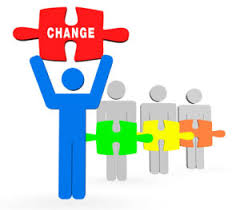
Leading and Managing Change


Leading and Managing Change


Program Objectives

  1. Apply their newly gained competence in anticipating change and dealing with it more effectively.
  2. Link between leadership and change, and the models available for management and change agents, and leverage this relationship to properly plan for upcoming transformations.
  3. Anticipate resistance to transformation initiatives and find ways to reduce or eliminate such concerns in order to achieve the goals desired.
  4. Plan and execute communication related to change in a way that contributes to success. 
  5. Deal with limitations imposed by existing cultures and help unveil ways to effectively reduce or overcome them in a competent and professional manner.

Beneficiaries

Change managers, business process improvement specialists, change management team members, coordinators of re-organization and mergers, implementers of organizational change, or anyone interested to learn how to manage change. 

Contents

Understanding, Planning and Managing Change: 

  • Why Change? Why Change Management?
  • Defining Organizational Change
  • Nature of Organizational Change
  • Reasons and Challenges
  • Typology of Organizational Change
  • Approaches to Understanding and Interfacing with Change
  • The Importance of Change Agents in the Transformation Process
  • Types of Change Agents
  • Competencies of Change Agents

Models and Strategies for Managing and Leading Change:

  • Leadership and Organizational Change
  • Management Adaptation to Change Situations
  • Evaluating Change: Lewin’s Force Field Analysis
  • Preparing and Planning for Change
  • The Kotter Eight-Step Model
  • The ADKAR Model    

Understanding and Dealing with Resistance to Change:

  • People and Organizational Change
  • Why People Resist Change?
  • Forms of Resistance and How to Deal With Them
  • How Employees Adapt with Organizational Change
  • Stages People Go Through When Resisting Change
  • The SARAH Model
  • The Transition Stages
  • A Nine-Stage Model
  • Dealing with Resistance to Change
  • Kotter’s Approach 
  • Risk Aspects of Organizational Change

Communicating Change:

  • The Importance of Communicating Change
  • What People Want to Hear and What they Need to See
  • Components of an Effective Change Communication Plan 
  • How to Communicate Change Effectively: Before, During and After the Change Process
  • Delivery Methods Available to Get the Message Across
  • Do’s and Don’ts When Communicating Change

Key Factors in Making Organizational Change Happen:

  • Understanding Organizational Culture
  • Components of Organizational or Corporate Culture
  • Types of Cultural Change
  • Common Mistakes in Dealing When Transforming Existing Culture
  • Sustaining Change in the Corporate Culture
  • Tips to Remember When Managing Change

Training methods

  • The Training lectures.
  • The Group discussions.
  • The Training Workshops.

Places and dates for this program

13 Apr 2026 : 17 Apr 2026 4000 $

27 Sep 2026 : 01 Oct 2026 2250 $


Etisalat
Ministry of Heals
Saudi Arabian Airlines
Arabia Insurance Cooperative Company
Ministry of Housing
Dorectprate of Human Resources - Sharjah
Sharjah Electricity & Water Authority
The Holding Company for Water Supply and Sewerage
Epsco

Back to Top